Grow Without the Grind: Making AI Work for Your Fundraising and Your Well-Being
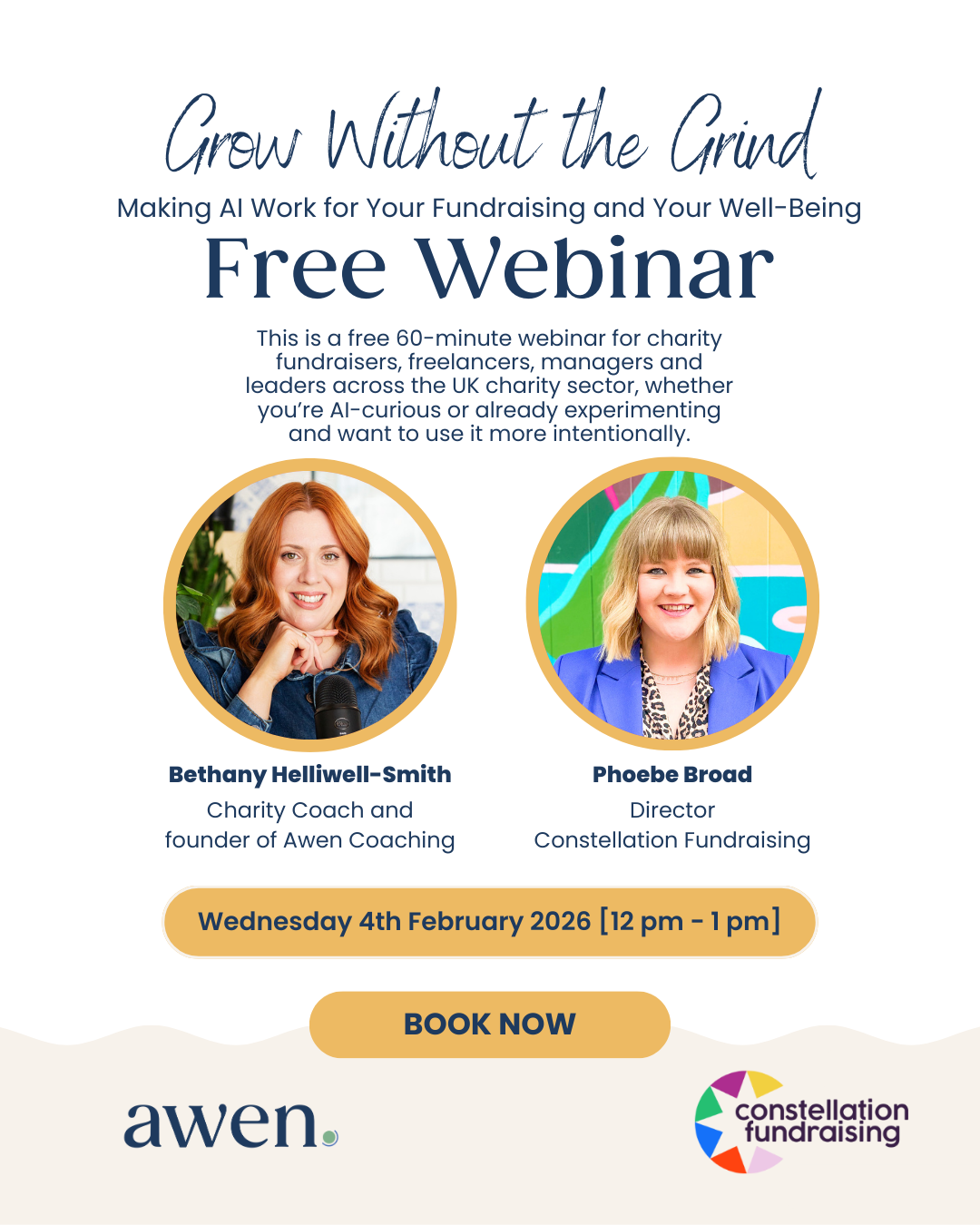
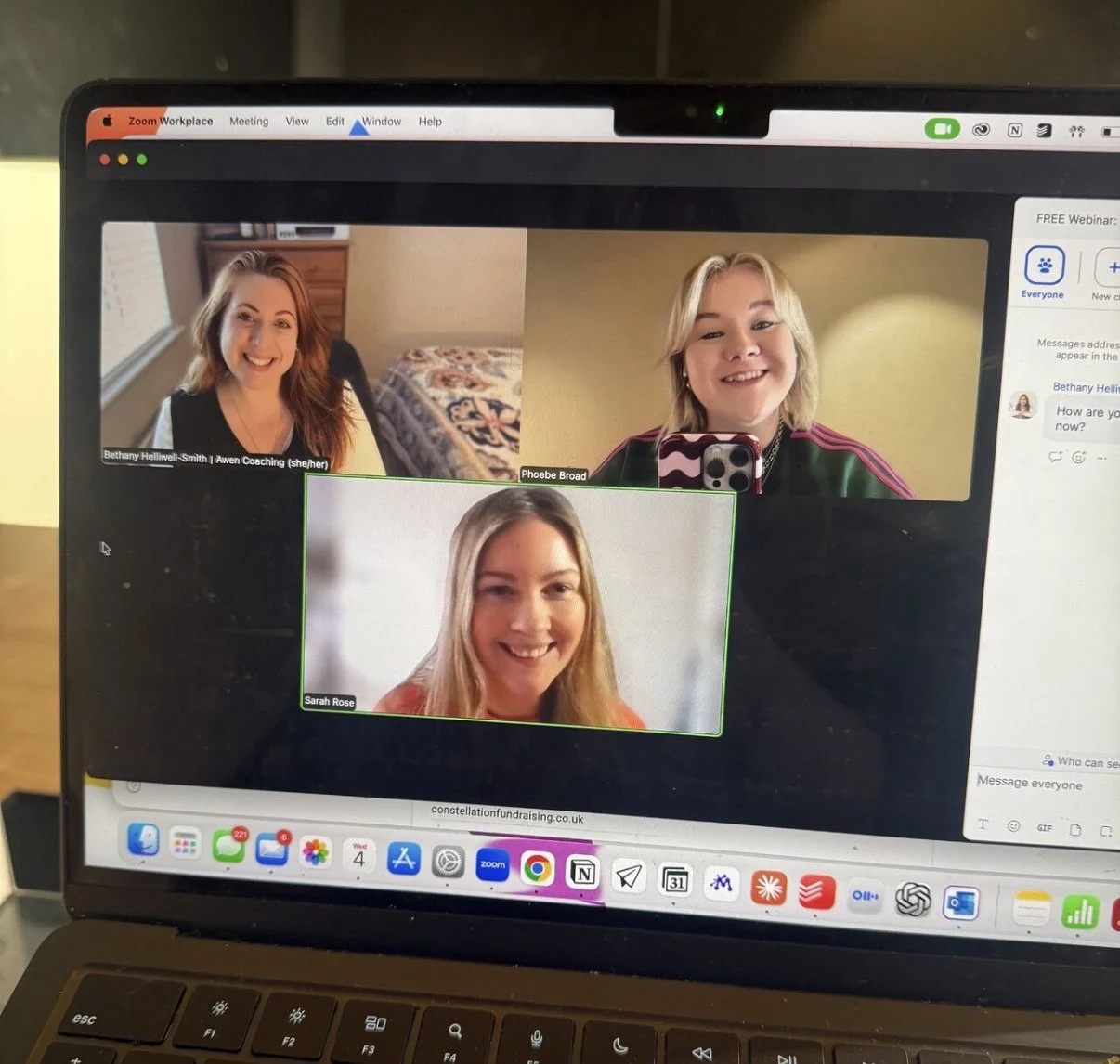
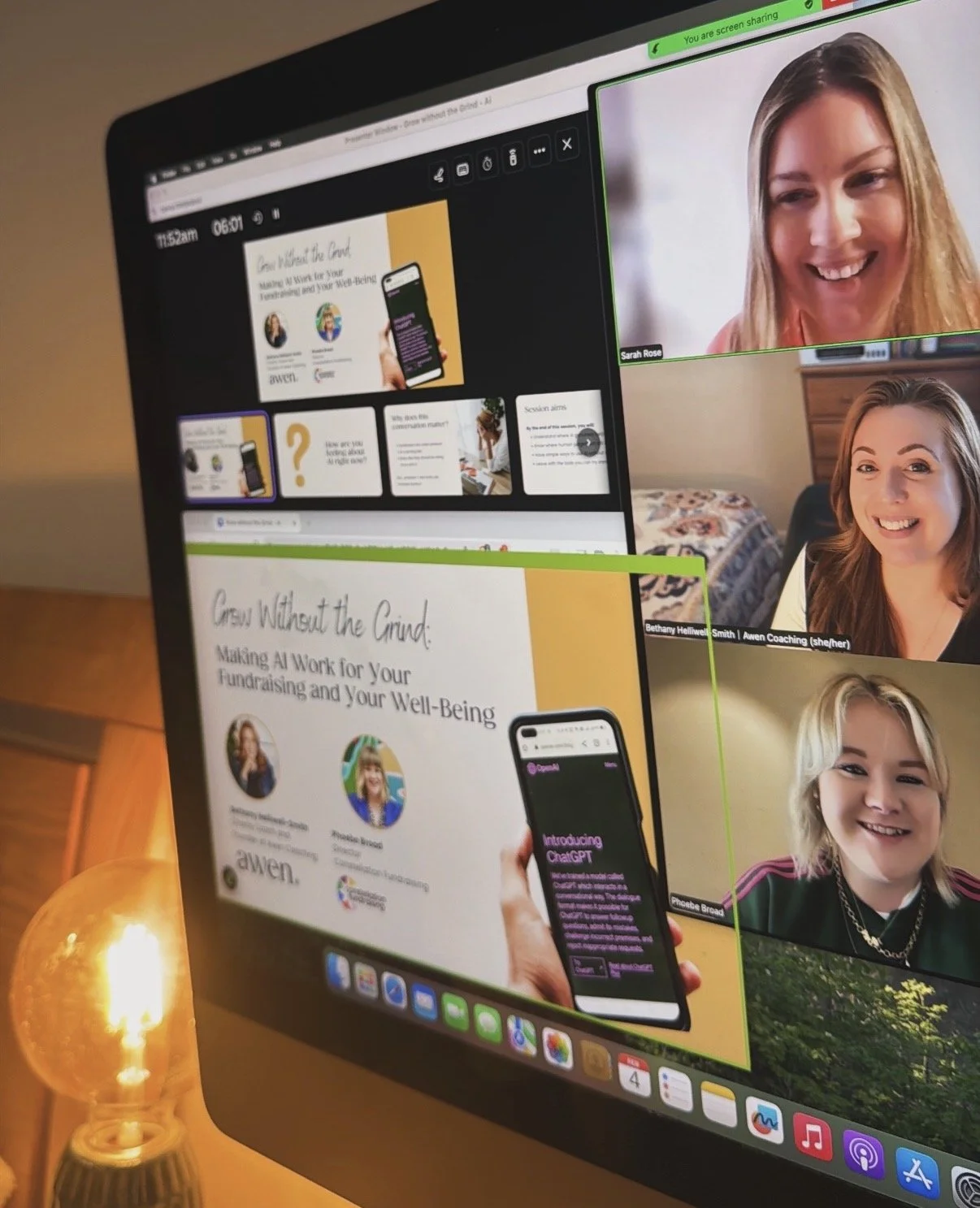
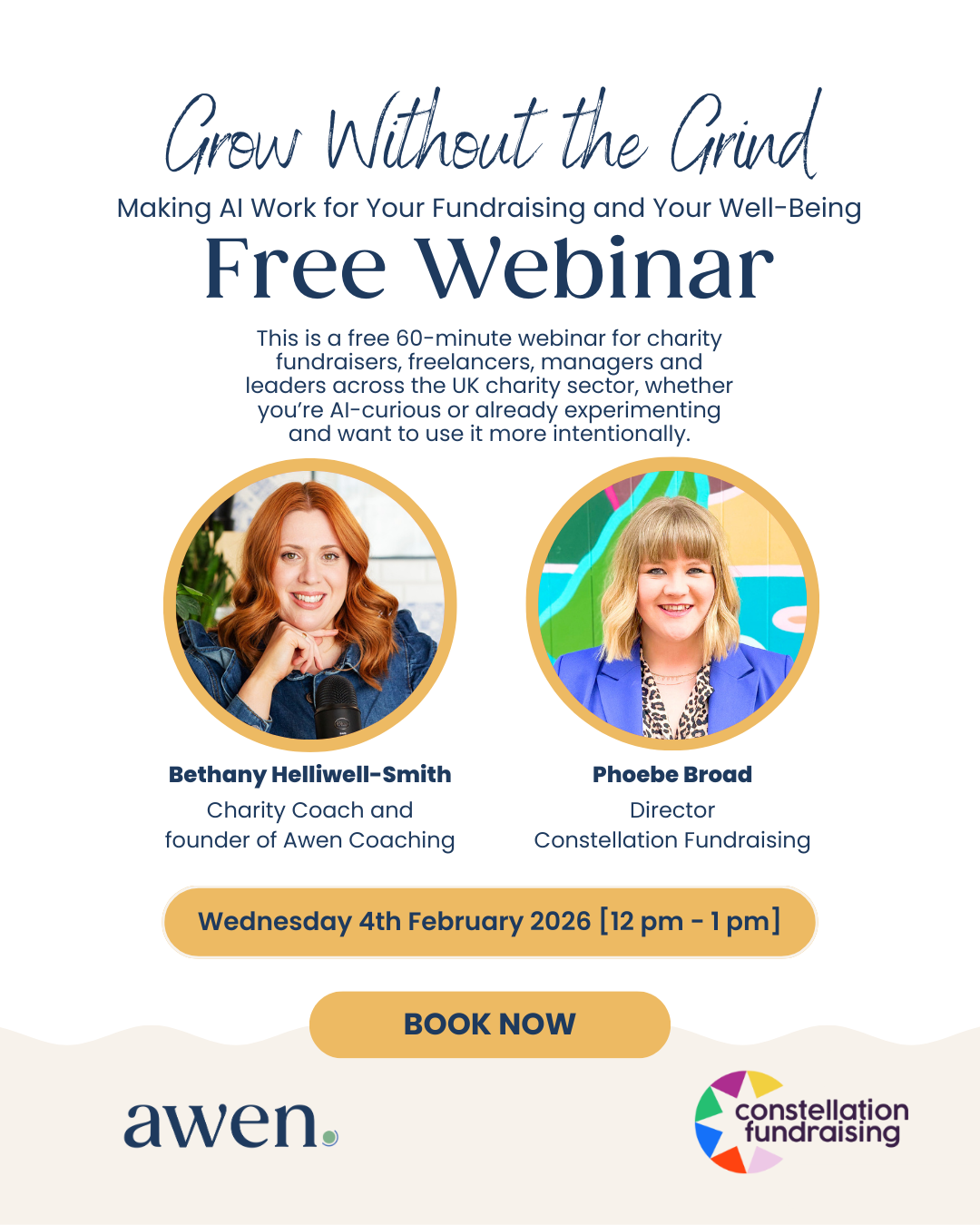
I hosted a free webinar in early February 2026 with Phoebe Broad, Director of Constellation Fundraising, and one thing was immediately clear.
Fundraisers are not having a simple relationship with AI.
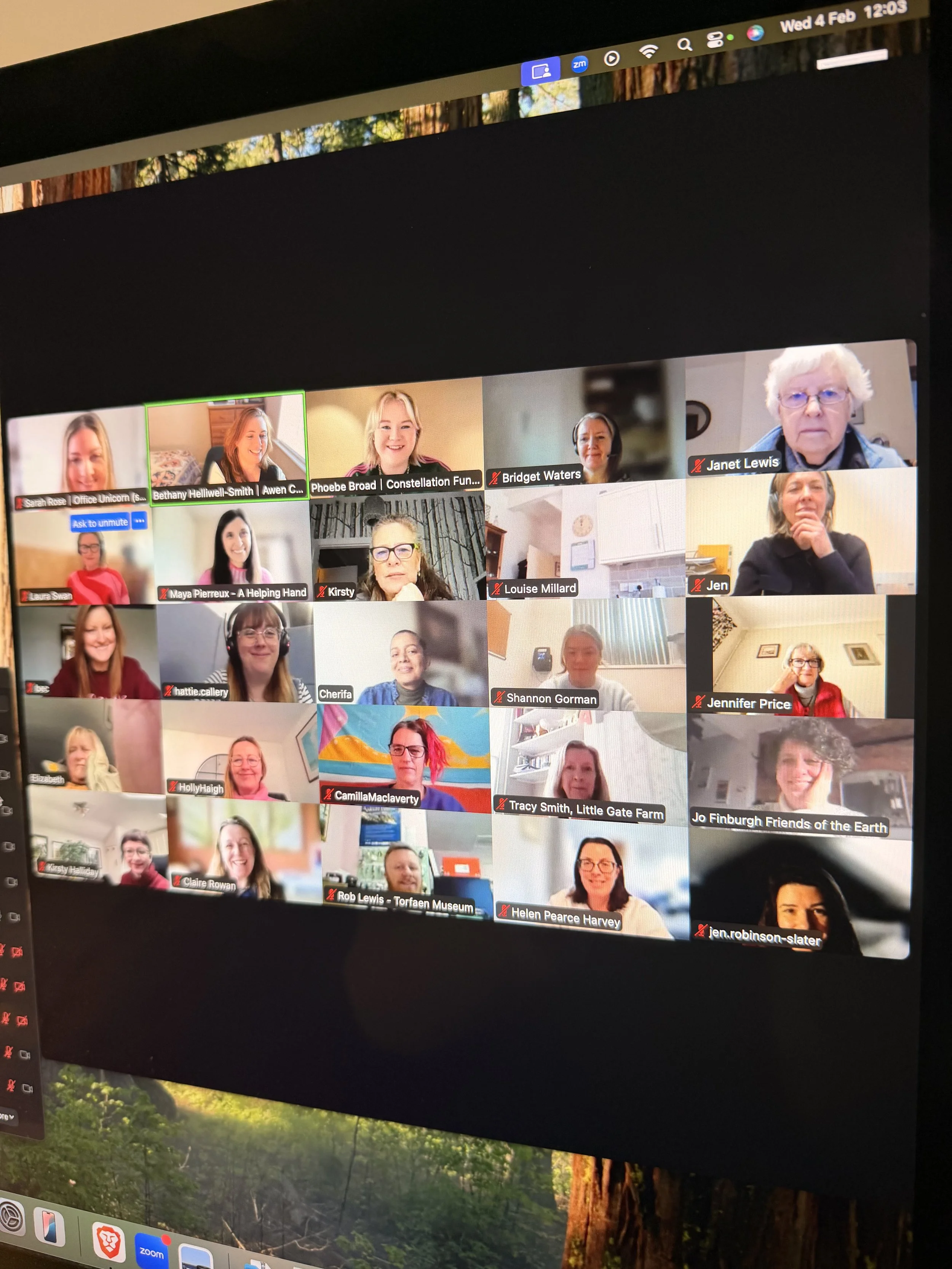
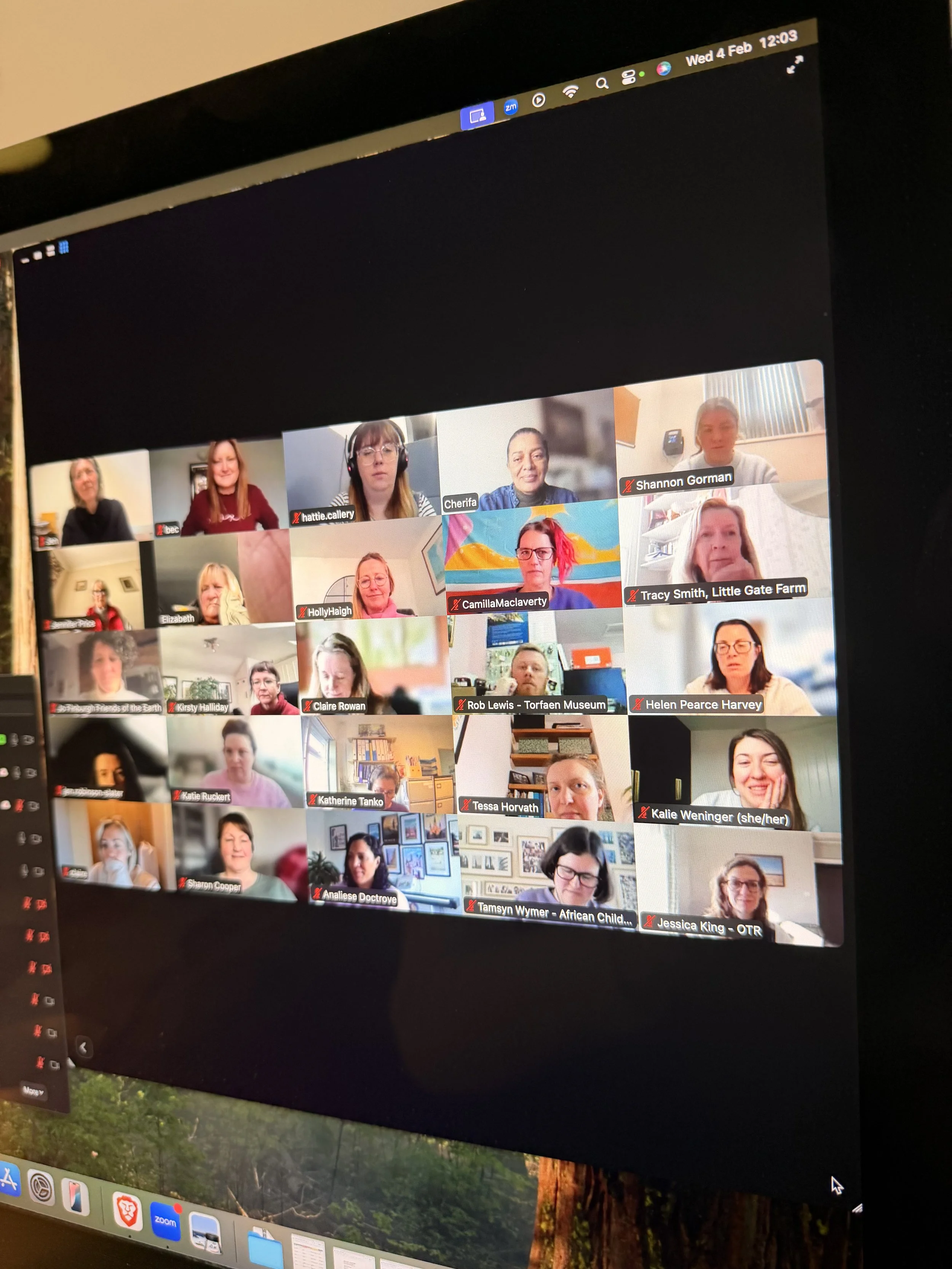
85 people joined us live. We met on Zoom and in the chat, people shared words like: conflicted, curious, sceptical, excited, threatened, frustrated, unclear.
That mix makes complete sense.
Because AI has not arrived in a calm environment.
It has landed in the middle of a sector where targets are rising, teams are stretched, reporting expectations keep growing, and many fundraisers are doing emotionally demanding work alongside spreadsheets and strategy.
And for freelancers, there’s often an extra layer: income uncertainty, blurred boundaries with clients, and a constant background pressure to prove your value and stay relevant.
So this blog is not a technical guide. And it’s definitely not an argument that everyone should use AI.
It’s a practical, values-led reflection on what it might look like to engage with AI in a way that supports your work and your well-being, without letting it become another source of pressure.
Why this conversation matters
When new tools are introduced without time, training, or ethical guidance, they don’t automatically make things better. They can quietly become another expectation.
That’s how pressure creep happens.
At the same time, efficiency matters in the charity sector. Not so we can work harder or faster for the sake of it, but because when we reduce admin and decision fatigue, we can put more time, energy, and funding towards relationships and impact.
Used thoughtfully, AI can help with that.
The question is not “Should we use it?”
The question is: How do we choose to engage with it, intentionally and carefully, in a way that protects trust, values, and human energy?
Fundraising is human work
Phoebe and I kept coming back to this in the webinar.
Fundraising is relational. It’s built on trust, timing, empathy, judgement, and care.
AI can support the work around the edges, but it cannot replace the work itself.
It cannot build relationships. It cannot sit in a difficult conversation with a donor. It cannot hold nuance about your community, your beneficiaries, or your charity’s history. And it definitely cannot hold safeguarding responsibility.
So when we talk about AI in fundraising, I think it helps to be clear about what it’s good for.
AI can help with structure, language, summarising, research support, and reducing low-energy admin.
It cannot replace judgement, ethics, context, or human responsibility.
Burnout does not come from caring too much
This is the bit I see constantly in my coaching work.
The fundraisers who burn out are rarely the ones who don’t care. They’re often the most conscientious. The ones who want to do things properly. The ones carrying responsibility for income, relationships, and sometimes organisational stability.
Burnout is more likely to show up when you’re dealing with:
Over-responsibility
Constant context-switching
Ineffective boundaries with time and attention
A system that rewards output more than sustainability
AI can interact with burnout in two directions.
Used intentionally, it can reduce cognitive load. It can help you prioritise when everything feels urgent. It can take low-energy tasks off your plate and help you find a starting point when your brain is tired.
Used without boundaries, it can increase pressure. It can speed up expectations. It can create the unspoken sense that you should now produce more, respond faster, and be available longer, simply because the tool exists.
So the question becomes: Is this helping me feel clearer and calmer, or is it quietly adding to the load?
The ethics are real, and it’s important to name them
One of the strongest themes in the webinar chat was ethics.
Environmental impact came up repeatedly. Data centres require significant energy and water. And even if a single prompt feels small, widespread usage adds up.
We also talked about labour, because much of the human work behind AI is invisible. Many systems rely on workers to label data and moderate harmful content, and that work is often outsourced to people in low-income countries, sometimes including refugee communities. It can be poorly paid and emotionally demanding, and it sits uncomfortably alongside charity sector values.
Bias and fairness matter too. AI reflects the data it’s trained on, which means it can reproduce existing inequalities, distort representation, and oversimplify the stories and communities we work with.
Naming these realities is not about shame.
It’s about honesty.
And it’s about ensuring AI use sits within the same ethical framework you already use for decisions about funding, partnerships, risk, and reputation.
AI is not a separate moral universe. It belongs inside your existing values-led decision making.
A practical way to start: guardrails, not rules
I often talk to fundraisers who feel they have to make a big decision about AI.
Use it or don’t. Embrace it or reject it. Become an expert or get left behind.
I don’t think that framing is helpful.
A calmer starting point is to set simple guardrails.
Try these:
Decide what AI is for, for you:
For example: summarising, structuring, drafting, idea generation, turning notes into actions, creating a first draft when you’re staring at a blank page.Decide what AI is not for:
For example: personal data, safeguarding information, confidential donor details, internal HR issues, sensitive organisational strategy, final decisions that require judgement.Sense-check everything:
AI can sound confident while being wrong. Treat it like a quick assistant, not a source of truth.Keep humans at the centre:
Ask: does this sound like us? does it reflect our values? does it respect our supporters? is it accurate? is it fair?Watch for pressure creep:
If AI speeds things up, don’t automatically fill the space with more tasks. Use the reclaimed time intentionally.
Where AI can help in real fundraising workflows
Phoebe shared a really grounded view of where AI can genuinely support fundraising work.
Not as a strategy tool, and not as a relationship replacement, but as support around the edges, especially for tasks that drain energy.
Some examples:
Summarising long documents (like CSR reports or funder guidance)
Drafting emails in your own voice, with you editing and finalising
Tightening text to meet strict word or character limits
Restructuring grant form questions into a table to work offline
Transcribing and summarising meeting notes, then turning them into CRM updates
Reformatting budgets or making numbers clearer when you’re tired or time-poor
As a coach, I’d add this.
AI can be most helpful when it supports thinking, not just output.
It can help you plan a realistic day, prioritise tasks, and create gentle follow-through prompts.
That’s not about productivity for productivity’s sake.
It’s about reducing overwhelm and protecting energy.
A note on neurodiversity and accessibility
Phoebe spoke about how different people process information differently, and I’m really glad we included that.
I’m dyslexic, and I’ve found AI most helpful not for speed, but for support.
Structuring ideas. Organising thoughts. Reducing the effort it can take to write and edit. Getting a first draft down when my brain is tired.
Used well, AI can make work more accessible without lowering standards.
That matters.
Five small shifts to try:
If you’re AI-curious but overwhelmed, here’s what I’d suggest.
Nothing dramatic. Nothing that requires becoming an expert.
Just five small, low-stakes shifts:
Pick one low-energy task and try AI there
Set a start and stop point (a timer helps)
Ask for structure and clarity, not “perfect writing”
Sense-check and edit everything
Notice what feels lighter, and what doesn’t
You’re allowed to experiment gently.
You’re also allowed to decide it’s not for you.
If this is bigger than AI…
For some people, a webinar like this is enough. A few ideas, a shift in perspective, and a couple of prompt templates to try.
For others, AI conversations surface something deeper.
Not just “How do I use this tool?”
But “Why does everything feel so relentless?”
If you’re carrying over-responsibility, struggling to switch off, or feeling like the pace of fundraising is no longer sustainable, that’s not a personal failing. That’s a system problem, and it deserves support.
My Do Good: Be Well coaching programme is for fundraisers and freelancers who want to build a healthier relationship with work, with clearer boundaries, steadier rhythms, and more trust in how they work under pressure.
Not by trying harder.
By working differently.
If you’d like to explore whether it’s a fit, you can book a free compatibility call via the link below.
In the meantime, the message I want you to hold onto is simple:
Fundraising is skilled, human work.
You deserve ways of working that support you as much as you support your cause.
And remember, it is possible to do good and be well.